

Diesel Forklifts: Key Applications & Core Advantages
- Release time: Jul 24, 2026
- Author: admin
- Views: 182
- Column: Products Knowledge
一、 Why Choose Diesel Forklifts?
Diesel forklifts are typically equipped with industrial-grade diesel engines, offering the following core advantages:
High Power Output: High torque and strong climbing ability, suitable for heavy-load operations.
Extended Operation Duration: Quick refueling without long charging downtime, ideal for multi-shift continuous operations.
Broad Environmental Adaptability: Stable performance in outdoor, harsh weather, and complex terrain conditions.
Lower Overall Operating Costs: For high-intensity, high-frequency usage scenarios, diesel energy costs are generally lower than electricity and LPG.
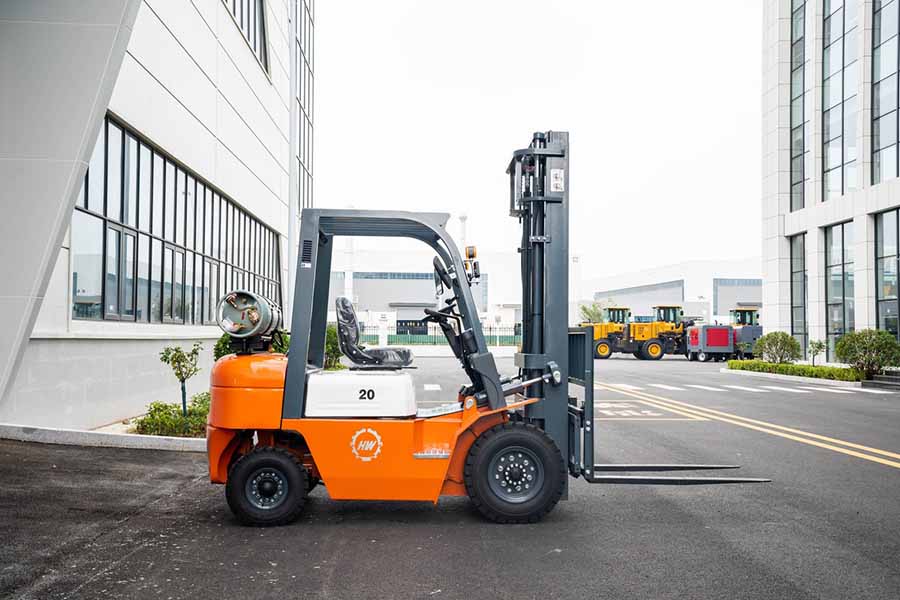
二、Core Application Scenarios for Diesel Forklifts
1. Ports, Docks & Container Yards
Ports and docks represent typical all-weather, heavy-duty work environments. With large cargo weights, fast-paced operations, and predominantly open-air sites, diesel forklifts (especially large-capacity models) can easily handle container loading/unloading and bulk cargo handling. Their resistance to dust, sand, and corrosion also makes them the top choice for coastal operations.
2. Construction Sites & Stone Processing Plants
Construction sites often feature uneven ground with gravel, mud, and slopes. Diesel forklifts provide excellent ground clearance and pneumatic tires, ensuring stable travel on irregular surfaces. Additionally, in building material industries such as stone, ceramics, and cement, where dust levels are high, diesel forklifts feature simple and durable structures with lower maintenance costs compared to electric forklifts that contain more precision electronic components.
3.Scrap Recycling & Metal Smelting
Scrap yards and smelting plants typically handle large quantities of metal waste and heavy machinery parts, with most operations conducted outdoors. The high-capacity capabilities and robust mast structures of diesel forklifts enable safe handling of irregular and high-density materials. Moreover, these sites often lack convenient charging facilities, making the flexible fuel supply of diesel forklifts a significant advantage.
4. Timber Processing & Forestry
In timber processing plants and forestry operations, logs and panels are heavy and lengthy. The strong traction and lifting force provided by diesel forklifts make light work of log stacking and panel loading/unloading. Their superior cooling systems also meet the demands of prolonged, high-load continuous operations.
5. Agriculture & Large-Scale Distribution Centers
On farms and in grain reserve depots, diesel forklifts are used to handle bagged fertilizers, grains, and agricultural equipment. For distribution centers with massive footprints and high cargo throughput, diesel forklifts can complete receiving and shipping operations with extreme efficiency, avoiding downtime losses caused by insufficient battery life in electric models.
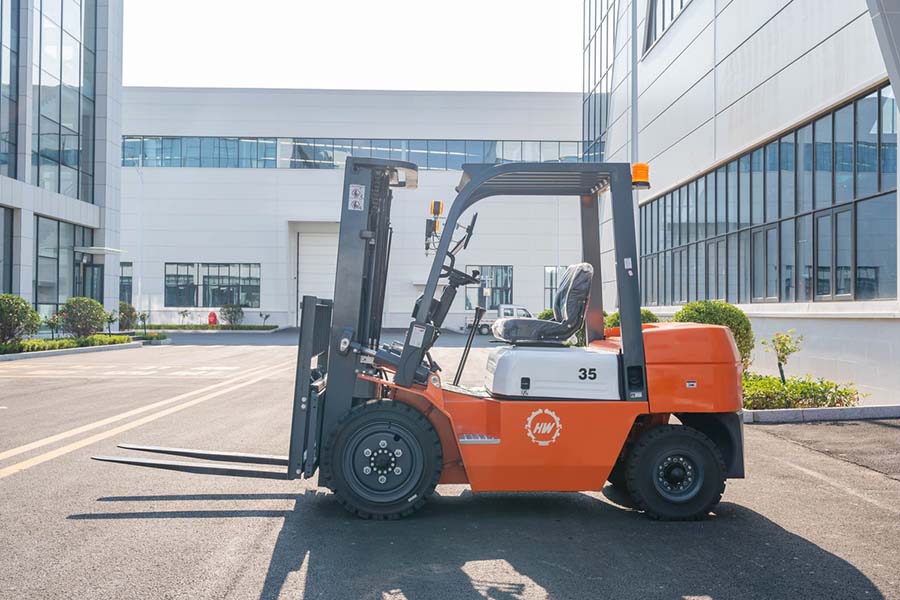
三、Diesel vs. Electric: How to Choose?
| Comparison Dimension | Diesel Forklift | Electric Forklift |
|---|---|---|
| Applicable Environment | Outdoor, open-air, rough terrain | Indoor, warehouse, flat floor |
| Continuous Operation | Suitable for multi-shift, 24/7 operations | Requires downtime for charging, suitable for intermittent use |
| Maintenance Complexity | Daily maintenance focuses on mechanical components | Involves battery, motor, and control system maintenance |
| Initial Investment | Medium to High | Higher (including battery and charging equipment) |
| Emissions & Environment | Must comply with China IV / Euro V emission standards | Zero emissions, excellent environmental performance |
四、 Future Trends for Diesel Forklifts
With increasingly stringent emission regulations, modern diesel forklifts have widely adopted advanced technologies such as high-pressure common rail and exhaust after-treatment (DPF+SCR), significantly reducing particulate matter and nitrogen oxide emissions. Diesel forklifts that meet the latest emission standards maintain the dual advantages of fuel economy and power performance while complying with environmental requirements. For outdoor heavy-duty operation scenarios that cannot yet be electrified, clean diesel technology remains the most reliable solution available today.